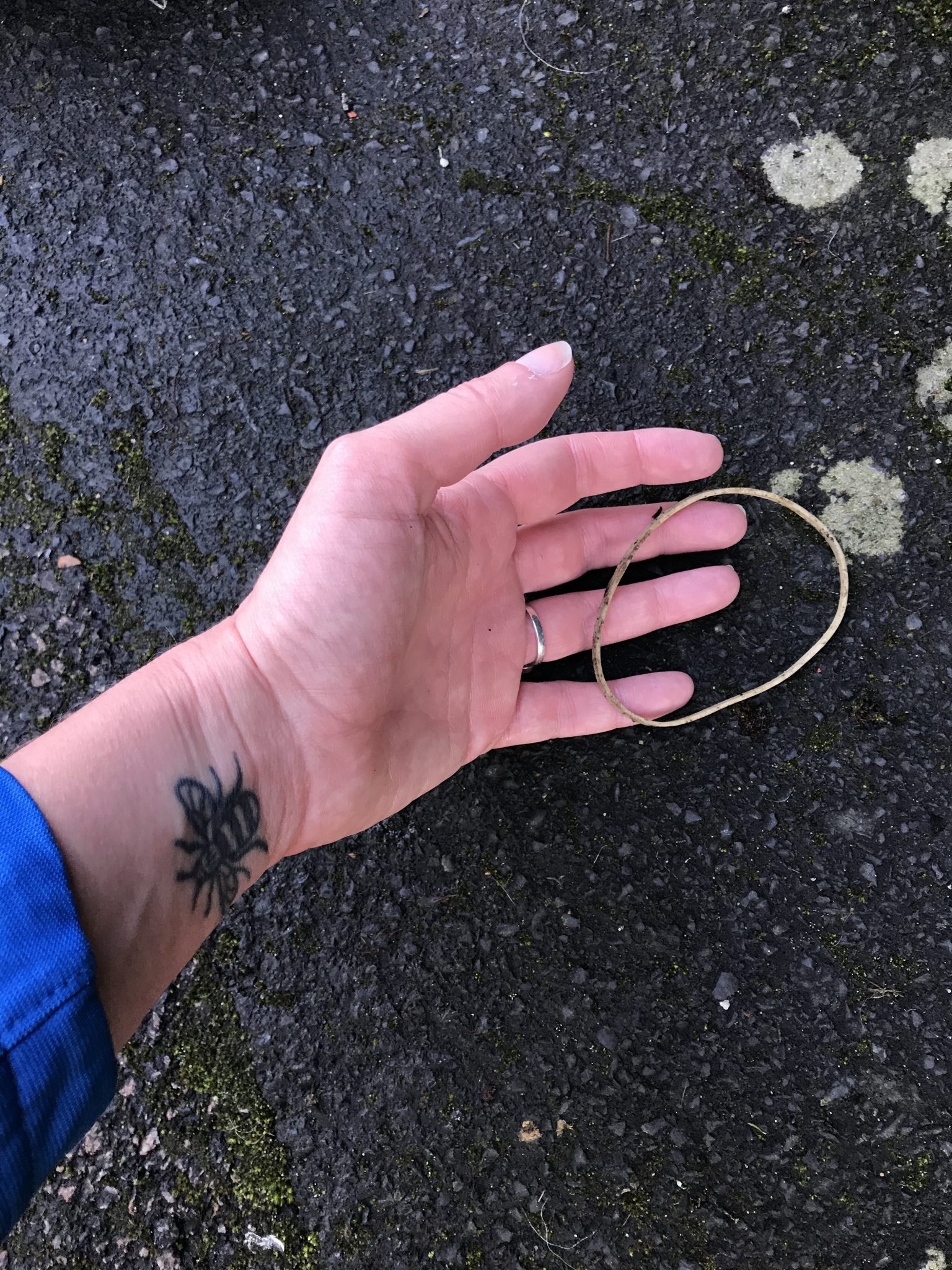
When I’m out trash running, I often find elastic bands on the pavement and while they’re seemingly innocuous, like many things that we have created – they can be harmful to wildlife.
If you do find elastic bands and you’re able to, I do advocate picking them up and cutting them before putting them in the bin, if they’re dirty and you’re not going to reuse them.
I’ve posted about this on Instagram and many people put the finger of blame on postal services and I can understand why, as even with the best intentions, bands do get dropped on the floor.
*This article contains images that some readers might find distressing*
These are 5 reasons why rubber bands are harmful to wildlife:
1. Birds try to feed rubber bands to their chicks
Thousands of elastic bands were found on Muillon Island off the coast of Cornwall and it was because they were being fed to seabird chicks. The birds like great black-backed gulls and herring gulls were mistaking them for worms and regurgitating them for their chicks.
2. Elastic bands can wrap around wildlife
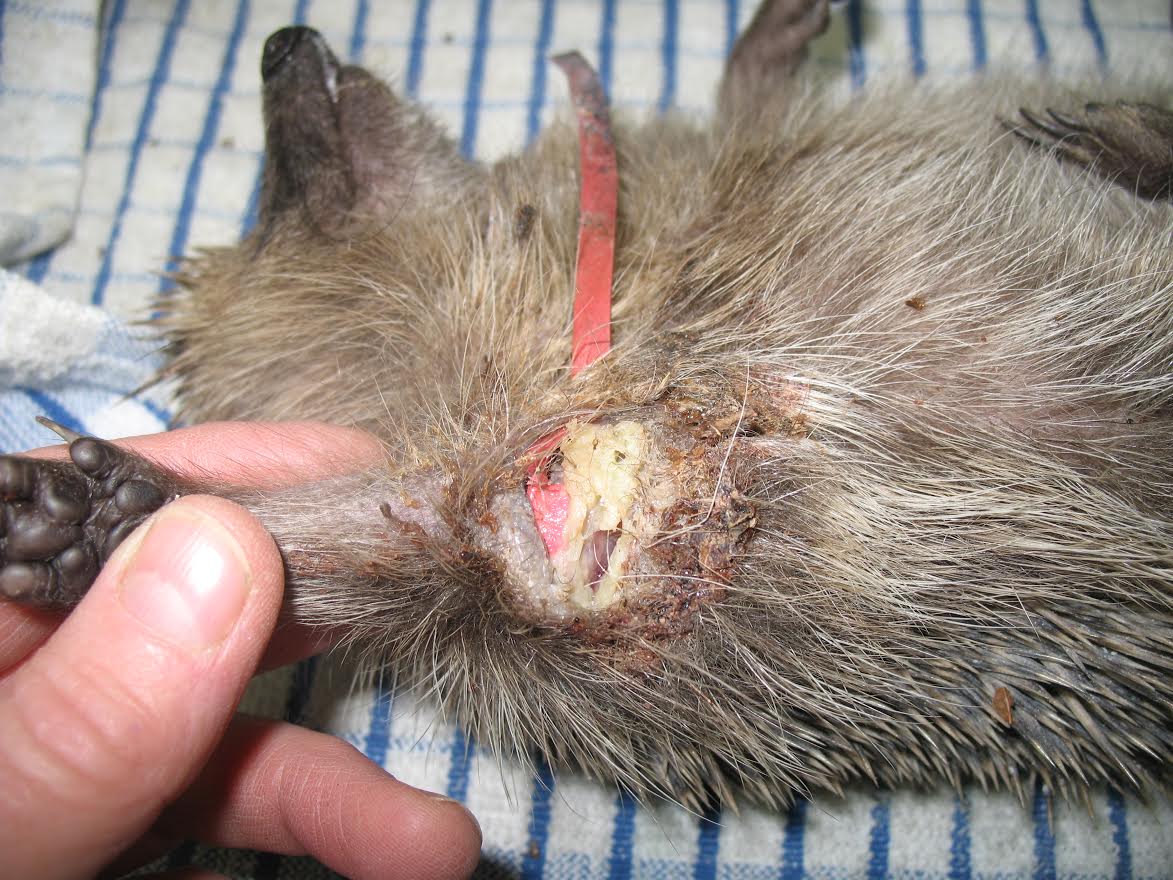
The bands can become entangled in fur or on the beaks of wildlife which can lead limbs or airways being restricted. This can lead to injury that can actually kill wildlife. Our endangered hedgehogs are particularly vulnerable to this, as you can see from this distressing picture. They get entangled in the bands and as they grow, this causes big problems for them.
3. Animals choke on them
Rubber bands are easily ingested by animals, not just because they mistake them for food. They also become attached to things that are food, or they’re hidden in grass or soil. Their beige colour can also make them look more edible.
3. They end up in the sea
Any litter that ends up on our streets can be washed into watercourses like rivers or streams that all lead to the ocean. If they sink to the bottom of the ocean, it’s unlikely that they will be found again. This means they can be eaten by marine wildlife which is very dangerous to them.
5. They take 50 years to biodegrade
This is somewhat better than most plastics, but it’s still 50 years that they spend out in our environment, causing damage to wildlife. One of the issues is that they’re so small that they’re easy to miss when people are picking up litter.
Read: 19 clever ways to reuse rubber bands by Treehugger
As well as picking up rubber bands, we can get right to the source by asking The Royal Mail to stop using them. There are alternative ways that post can be sorted, but even when postal workers try to keep hold of them, it’s difficult when you have lots of parcels to deliver. The RM is aware of the problem, and they use natural rubber bands but that doesn’t really solve the issues they cause for wildlife. Even the most conscientious postal worker (and many of them are), will drop bands at some point.
There are also some companies that use elastic bands in their packaging as well, so it isn’t just the Royal Mail. If you get sent an item with rubber bands, then let them know that you don’t want that in the future. One day there will come a time when we won’t see rubber band litter on our streets any more!
Sign the petition to get The Royal Mail to stop using plastic bands
Do you see rubber bands where you live and have you experienced the problems that can be created for wildlife? Share your stories in the comments below!
Pin this for later:


Finding lots of them on the ground around a neighborhood bank of mailboxes in West Bath, Maine.